At Lakepointe Church, the Kids Ministry team worked through those questions with early research, a campus pilot, and a church-wide rollout. Their approach gave leaders something concrete to evaluate and volunteers time to prepare. It also kept familiar parts of the classroom experience in place while the content changed.
Make the Options Tangible
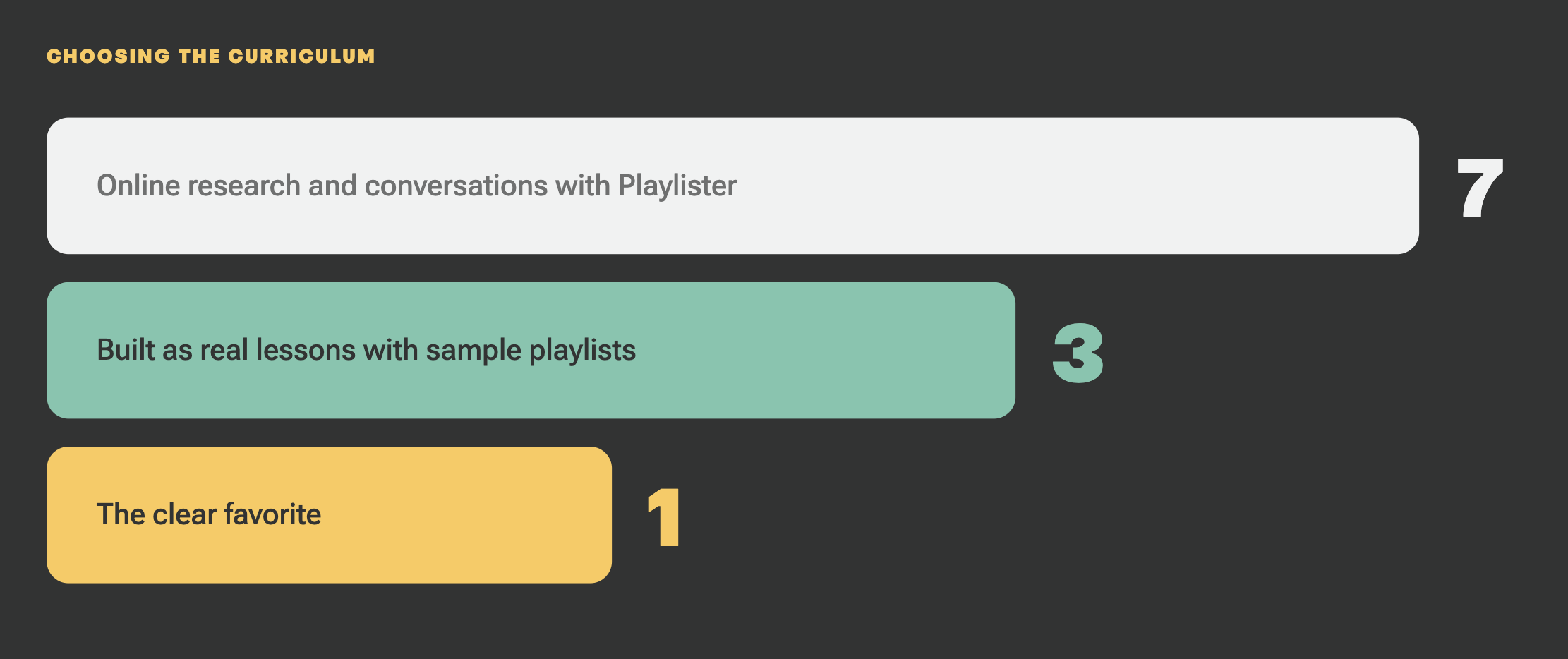
Lakepointe started with seven curriculum options, gathering ideas through online research and conversations with Playlister. The team explored the options and narrowed the list to three.
Then they moved beyond reviewing descriptions.
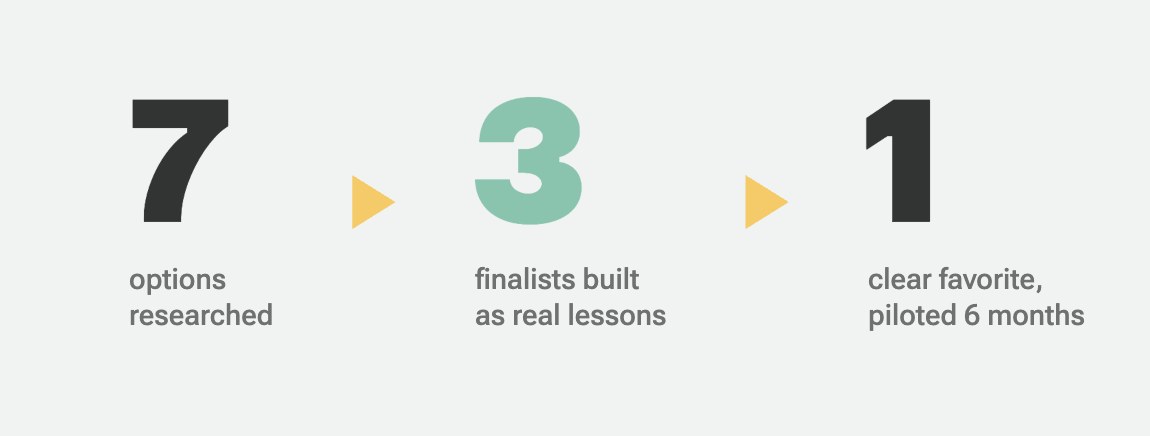
Using trial materials, they put together a preschool lesson and a grade-school lesson for each finalist. They built sample playlists with the available slides and media, alongside printed lesson materials.
The team brought their Kids pastors together to walk through the options. Leaders could follow what the children would experience, see how the media supported the lesson, and picture how each option would work in a classroom. That preparation gave everyone a shared basis for the decision. One option emerged as the clear favorite.
Start With One Campus/Classroom
Before making the change across the church, Lakepointe selected one campus to test the new curriculum.
The original plan was a three-month pilot. When the team decided to align the wider rollout with their June promotion, they extended the pilot to six months.

That gave the campus more time using the lessons in real classrooms before everyone else made the switch. The team reported an overwhelmingly positive response. For another church, the timeline might look different. Lakepointe’s experience offers a useful starting point: give a smaller group time to use the curriculum before asking the whole ministry to transition.
Give Volunteers Time to Prepare
At the pilot campus, the team shared the new materials through Google Drive so leaders could review them ahead of time while the other campuses continued using their existing curriculum.
For the wider rollout, Lakepointe used an established training opportunity. Spring training focused on the new curriculum, preparing leaders in May for the June launch. The introduction happened before volunteers needed to lead a classroom with the new material. They had time to see what was coming and become familiar with it.
Keep the Classroom Flow Familiar
The team also made a deliberate choice about how the new lessons were organized: they kept the sequence as similar as possible to what leaders already knew.

The content changed, but familiar routines remained. Printed materials continued to support leaders, and Playlister remained the way they played classroom media. Volunteers could use the same playback process they already understood. That continuity helped make the transition feel manageable. Leaders were learning new material within a classroom rhythm they recognized.
Keep Adjusting to Your Ministry
More than a year after the wider rollout, Lakepointe’s team still adapts activities to fit their classrooms.
An activity’s instructions may need to change based on where children sit, how the room works, or what leaders can realistically manage. Lakepointe continues preparing printed materials that reflect those adjustments. Their experience shows that a curriculum transition continues beyond launch day. Research, shared evaluation, a pilot, and training create the foundation. Ongoing preparation helps the material work for the children and volunteers in each room.
Thinking About a Curriculum Change?
You don’t have to figure out the options alone. Playlister works with almost every media-based curriculum, and our team can help you talk through the options and consider how the media would fit your classroom workflow.
Set up a call with our team to talk through your curriculum options and where to start.